Skip to content

Annual Report

Our Vision

A world that embraces the role of responsible seafood in meeting global nutrition needs.

Our Mission

The Global Seafood Alliance (GSA) is an international nongovernmental organization dedicated to advancing responsible seafood practices through education, advocacy and third-party assurances (demonstration).

Annual Report

GSA advances responsible seafood practices worldwide through education, advocacy and demonstration. (1)

Our Mission
 

The Global Seafood Alliance GSA is an international nongovernmental organization dedicated to advancing responsible seafood practices through education, advocacy and third-party assurances (demonstration).

Annual Report

2024

Our Mission

Global Seafood Alliance (GSA) advances responsible seafood practices worldwide through education, advocacy, and demonstration.
Through our membership program and global projects around the world supporting the seafood industry
Through our world-class third-party certification programs, Best Aquaculture Practices (BAP) and Best Seafood Practices (BSP) 
Through our Responsible Seafood Summit (formerly GOAL conference), Advocate magazine, and Aquademia podcast

Intro

Intro

Taking measures, extending impact

Some of the wisest words of advice one can receive in business go something like this: To manage something well, you must measure it. In other words, to realize future goals, assess where you are now and find ways to continuously improve your position over time, regularly stopping to take new measurements. I’ll add that it’s also important to celebrate milestones as you reach them.

Commit to continuous improvement and measure your progress toward your goals – these are fitting messages to accompany the release of our 2024 Annual Report, which highlights growth for Global Seafood Alliance programs and the new milestones that we’ve reached. For instance, the number of certified facilities increased 5 percent last year to surpass 4,100 facilities in 45 countries. While we share this measurement every year, we’re also tracking new trends. In 2024, certified producers resolved nearly 8,000 non-conformities to attain certification, a number that illustrates the rigor in our standards.

These metrics matter because they show how Best Aquaculture Practices and Best Seafood Practices standards drive our 

organization and improvement on the water wherever they’re applied. But it’s the story that numbers don’t always easily tell that shows what we’re truly shooting for: Strengthening the impact of the work we do on a holistic level. There are hundreds of thousands of employees working in BAP-certified facilities, and an estimated 60 million people working in seafood globally, and they deserve to work in a field that is always taking measures to address social responsibility, animal welfare, food safety and environmental stewardship. Certification is a strong way to demonstrate your commitment to these principles.

I like to say that growth for our program simply allows greater opportunity to extend a


Thank you for your support,
MIKE KOCSIS, CEO

Mike Kocsis signature

positive impact. That’s really the why of what we do. The global seafood industry can have a positive and lasting impact on food security, human health and nutrition, markets and economies and, of course, the environment, if its work is done responsibly. And a combination of passion, patience and collaboration can result in meaningful change – I see it every day at GSA.

Thank you to our many strategic partners and stakeholders who support GSA’s vision, mission and day-to-day operations. A special shout out to the growing GSA team around the world. Commitment to responsible seafood and continuous improvement requires every one of us. Thank you for always putting your best foot forward.


Mike Kocsis

Taking measures, extending impact

Some of the wisest words of advice one can receive in business go something like this: To manage something well, you must measure it. In other words, to realize future goals, assess where you are now and find ways to continuously improve your position over time, regularly stopping to take new measurements. I’ll add that it’s also important to celebrate milestones as you reach them.

Commit to continuous improvement and measure your progress toward your goals – these are fitting messages to accompany the release of our 2024 Annual Report, which highlights growth for Global Seafood Alliance programs and the new milestones that we’ve reached. For instance, the number of certified facilities increased 5 percent last year to surpass 4,100 facilities in 45 countries. While we share this measurement every year, we’re also tracking new trends. In 2024, certified producers resolved nearly 8,000 non-conformities to attain certification, a number that illustrates the rigor in our standards.

These metrics matter because they show how Best Aquaculture Practices and Best Seafood Practices standards drive our 

organization and improvement on the water wherever they’re applied. But it’s the story that numbers don’t always easily tell that shows what we’re truly shooting for: Strengthening the impact of the work we do on a holistic level. There are hundreds of thousands of employees working in BAP-certified facilities, and an estimated 60 million people working in seafood globally, and they deserve to work in a field that is always taking measures to address social responsibility, animal welfare, food safety and environmental stewardship. Certification is a strong way to demonstrate your commitment to these principles.

I like to say that growth for our program simply allows greater opportunity to extend a


positive impact. That’s really the why of what we do. The global seafood industry can have a positive and lasting impact on food security, human health and nutrition, markets and economies and, of course, the environment, if its work is done responsibly. And a combination of passion, patience and collaboration can result in meaningful change – I see it every day at GSA.

Thank you to our many strategic partners and stakeholders who support GSA’s vision, mission and day-to-day operations. A special shout out to the growing GSA team around the world. Commitment to responsible seafood and continuous improvement requires every one of us. Thank you for always putting your best foot forward.


Thank you for your support,
MIKE KOCSIS, CEO

Mike-png


2024 Year in Review

GST Group

March 2024

BAP Spotlight Story: GST Group

The Best Aquaculture Practices (BAP) certification program’s “Spotlight Stories” highlight BAP-certified facilities around the world and the stories of the people behind them. This Spotlight Story features Goh Soo Chin, Marketing Director of GST Group. GST Group, based in Malaysia, has developed a fully integrated seafood production ecosystem, from broodstock and hatchery to farming, feed mill, processing and distribution.

Mike Kocsis

April 2024

GSA Names Mike Kocsis as its New CEO

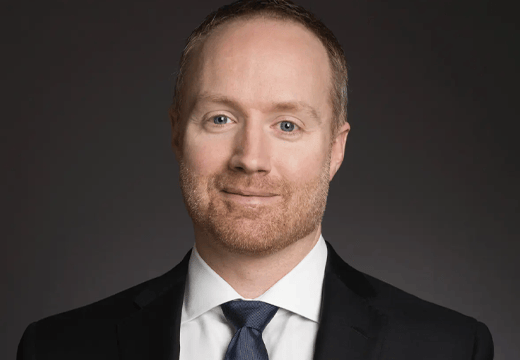
The Global Seafood Alliance (GSA) proudly announces the appointment of Mike Kocsis as its new Chief Executive Officer. Kocsis, who has extensive seafood industry experience spanning two decades, is well positioned to lead GSA into its next chapter. He joined the organization in April 2022 as Chief Systems Officer to oversee certification operations and information technology and was most recently promoted to Chief Strategy Officer in August 2023.

Fishing Vessel

April 2024

Wi-Fi Access for Fishing Crew at Sea Report

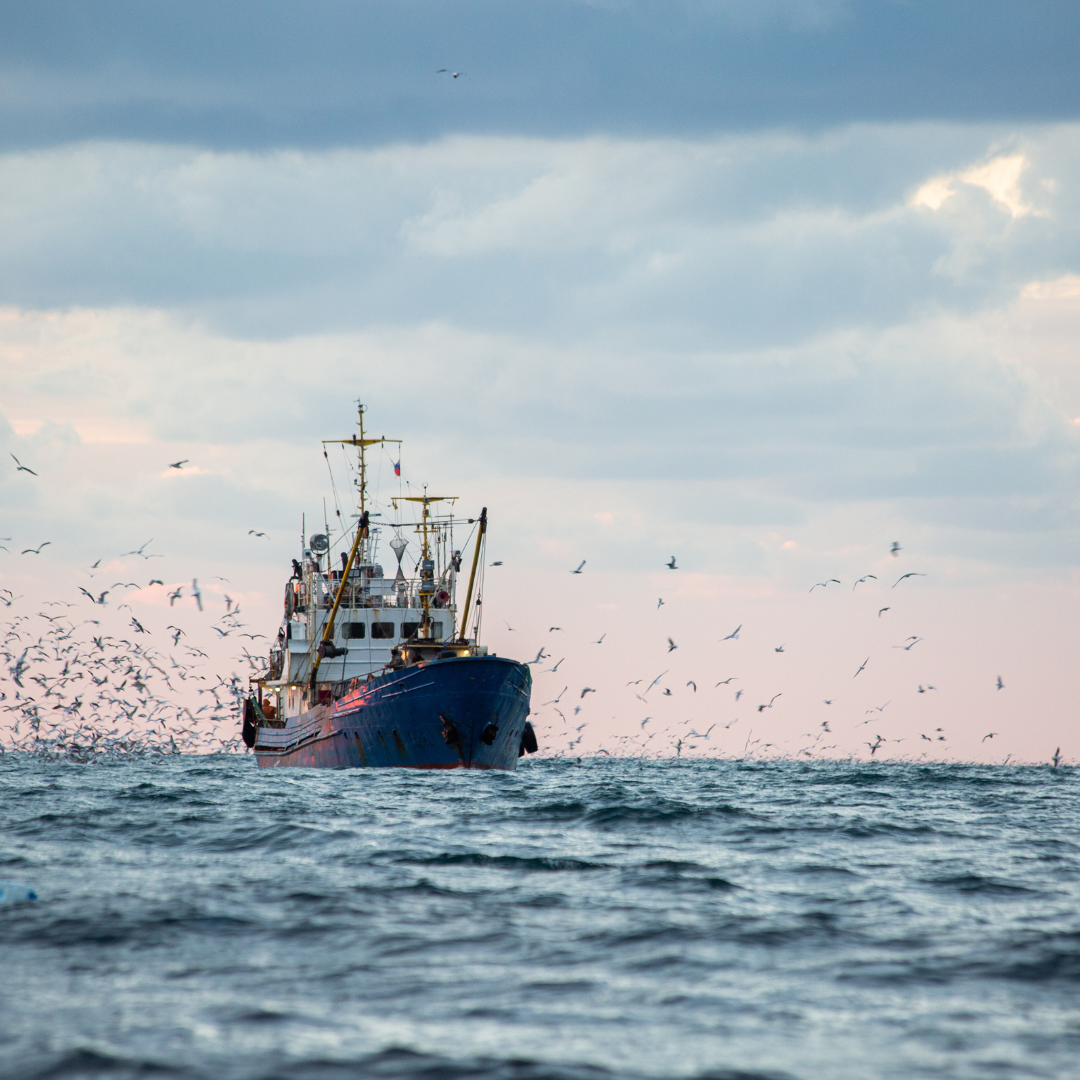
Global Seafood Alliance (GSA) has released a report exploring best practice in relation to provision of Wi-Fi for fishing crew at sea that includes recommendations for action. In this fast-moving era of connectivity technology, there is broad agreement from vessel owners, the private sector and trade unions that crew at sea in excess of 24 hours should have access to Wi-Fi, free of cost, to make personal calls and exchange messages. The report includes firsthand input on private sector and NGO initiatives.

Processing Plant

November 2024

GSA Releases Seafood Processing Standard Version 6.0

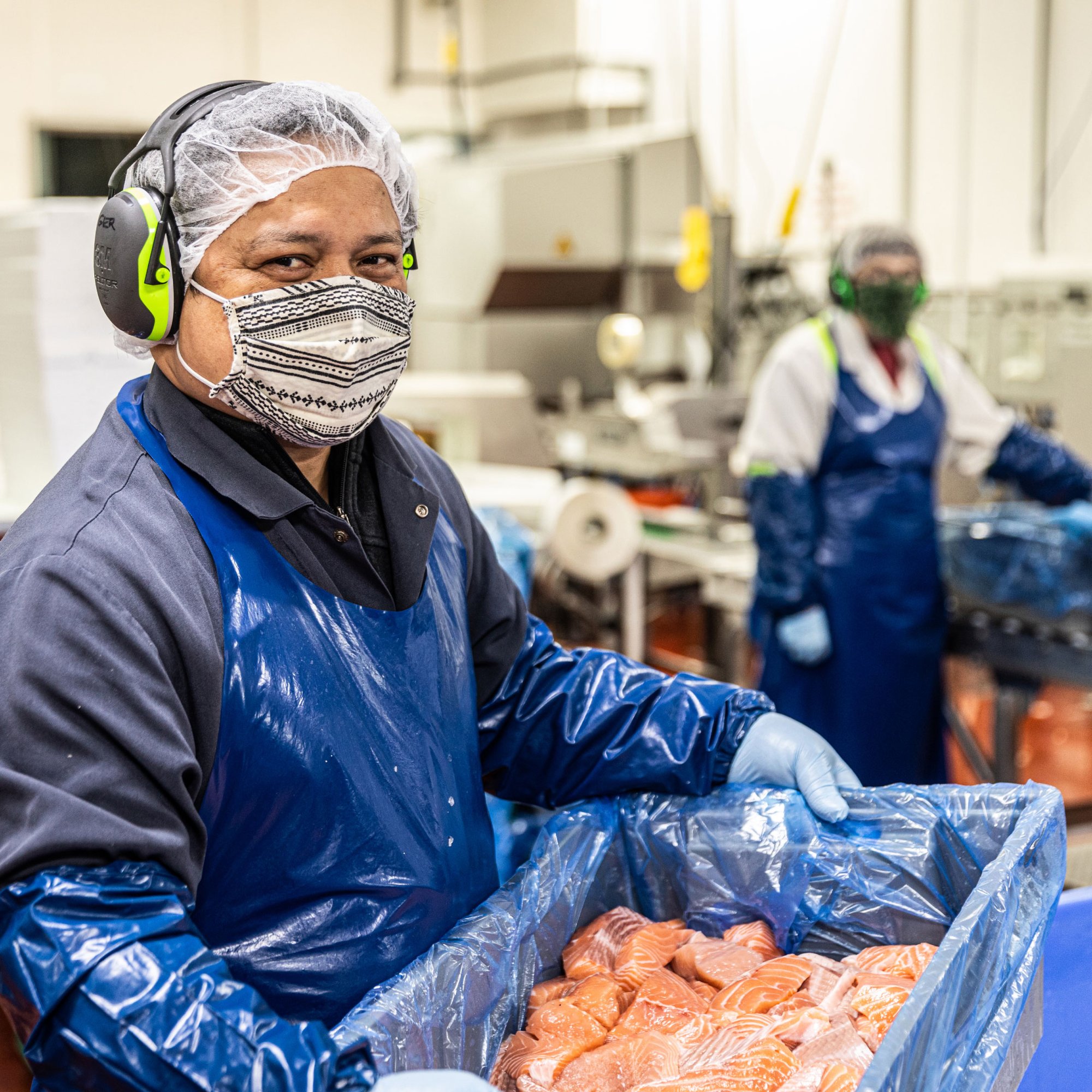
Key features of the standard include a restructured modular framework built around core food safety requirements covering both farm-raised and wild-caught seafood, ten separate modules to accommodate the specific production processes and products at individual facilities, and enhanced data capture, reporting and assessment technologies.

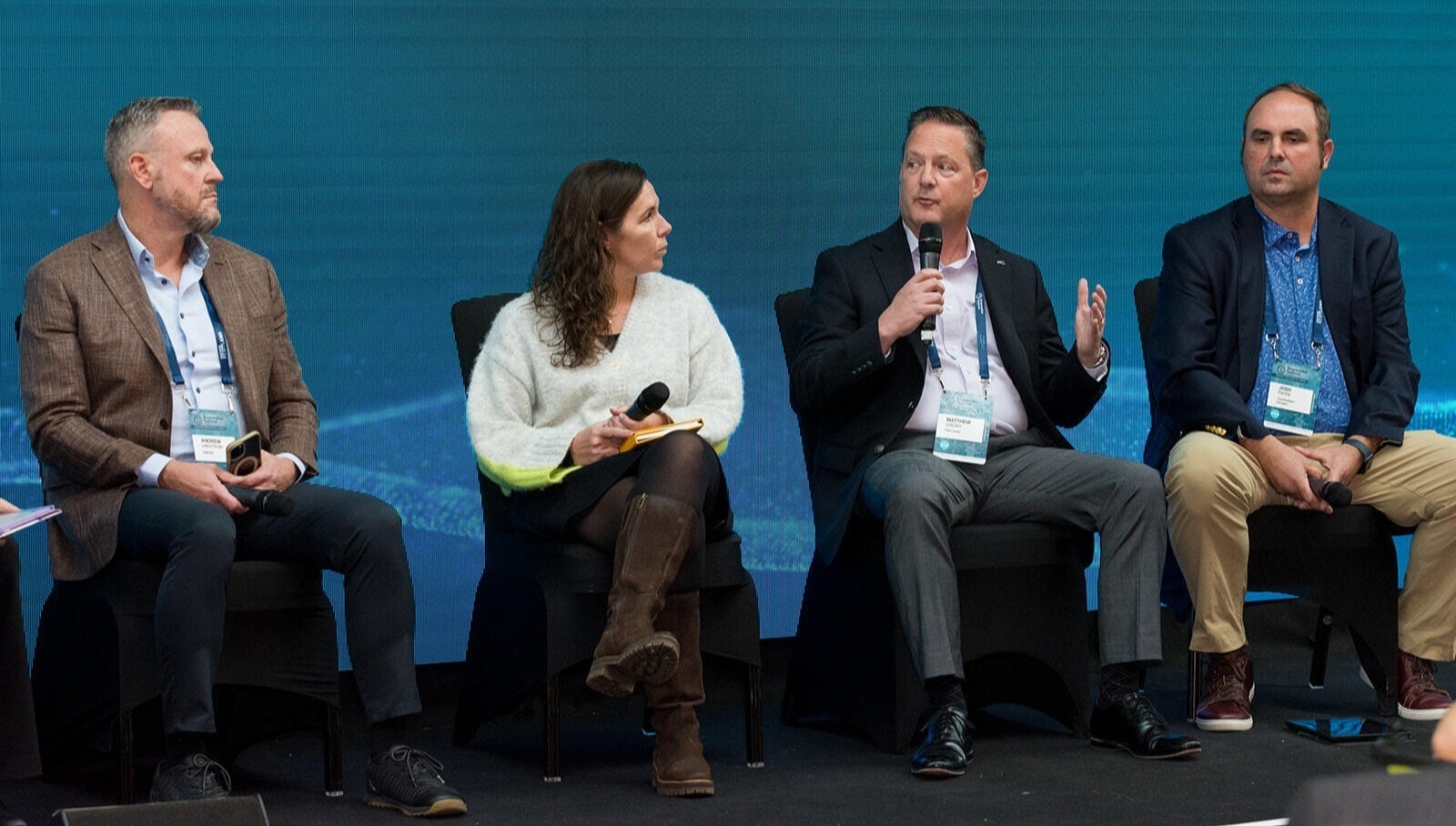
Donna Fordyce Summit 2024

November 2024

Shaping a Responsible Future: Reflections from the Responsible Seafood Summit 2024

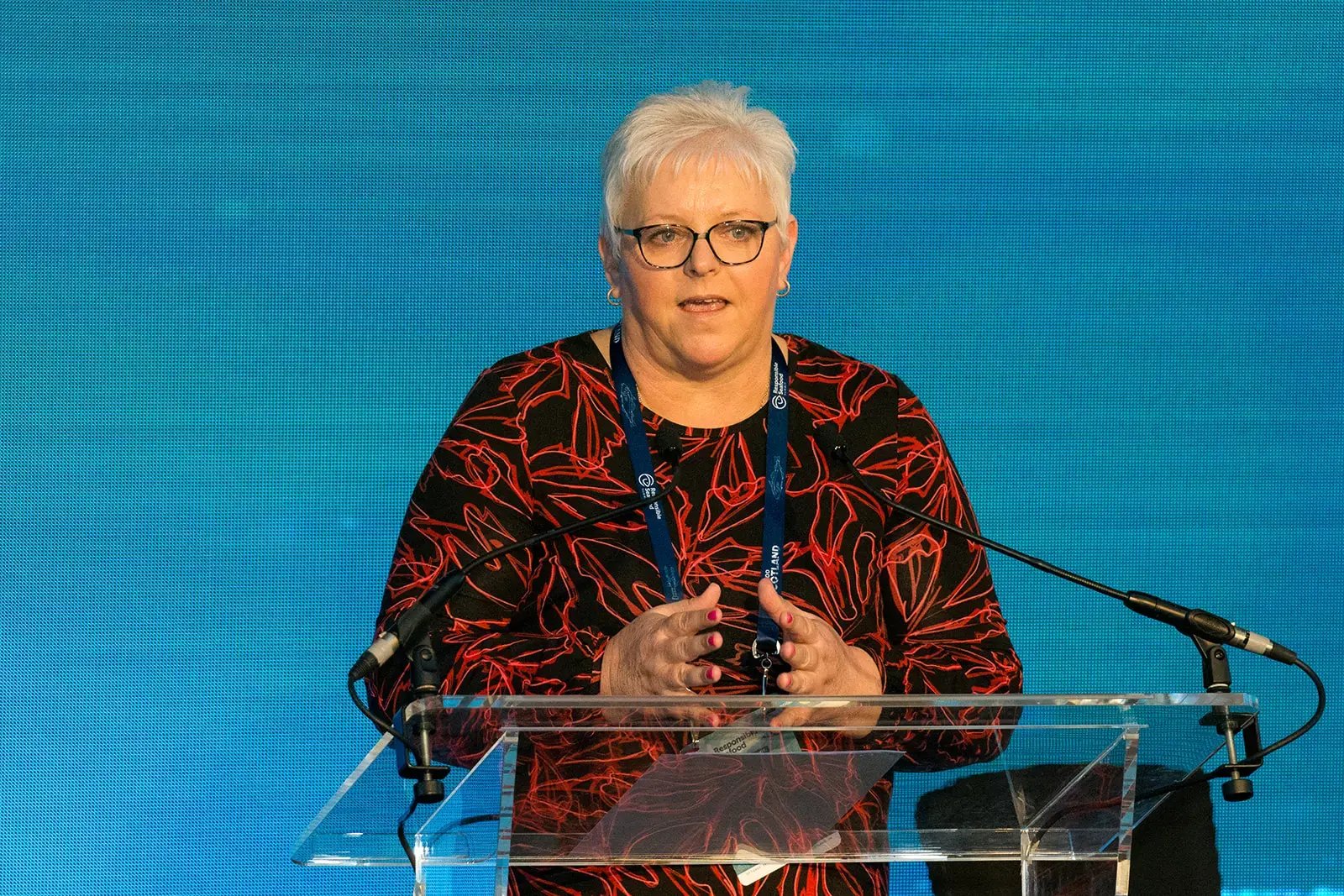
The 2024 edition of the Responsible Seafood Summit, held in St Andrews, Scotland, was co-hosted by Seafood Scotland. Donna Fordyce, Chief Executive of Seafood Scotland, writes that her primary takeaways were excitement around cross-sector collaboration, spotlights on up-and-coming seafood innovations, and much more.
Prism

December 2024

GSA Launches Assurances Platform, Prism

In 2024, Global Seafood Alliance (GSA) introduced a new platform, Prism, that provides assurance and traceability offerings in partnership with Wholechain. GSA’s Prism is a platform where audit and traceability data are combined for a single source of assurances and monitoring capabilities. 

Where in the World is GSA?

Global Impact

GSA associates attend events globally each year. Here is a sample of where we were and what we did in 2024.

bg icon

In this special section, we take you on a journey through the numerous global events that GSA staff have attended over the past 12 months. From trade shows in Europe to innovative conferences in Asia and impactful sustainability summits in the Americas, our presence has been felt across the seafood industry worldwide. Our participation in these events underscores GSA's commitment to maintaining a strong global presence and to being recognized as leaders in the seafood sector. Each event has provided us with opportunities to engage with industry leaders, share our expertise, and stay abreast of the latest trends and innovations. By showcasing our involvement in these gatherings, we aim to highlight our dedication to promoting responsible practices and fostering collaboration within the global seafood community. Join us as we reflect on a year of impactful engagements. For more, check out #WhereInTheWorldIsGSA!

Feed Mill Workshop

Feed Mill Workshop

Samut Songkhram, Thailand
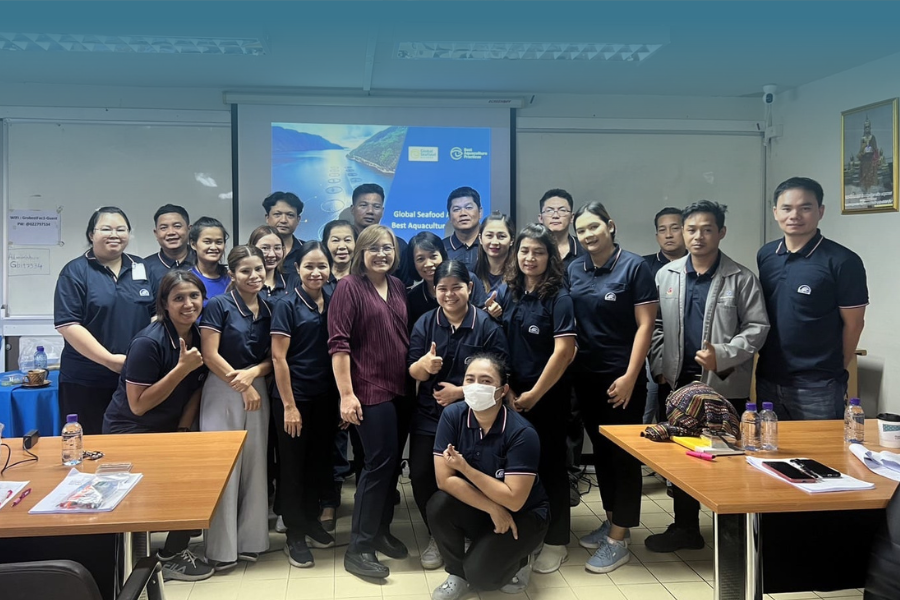
Rachaneewan Khamman conducted a workshop at the Grobest, Samut Songkhram Thailand Feed Mill. Over the course of a day and a half, Rachaneewan had a fantastic experience educating the Grobest team about GSA as well as BAP and responsible seafood practices. We look forward to working with Grobest, Samut Songkhram team in the future.
Latin American Sustainable Seafood Summit

Latin American Sustainable Seafood Summit

Mexico City, Mexico

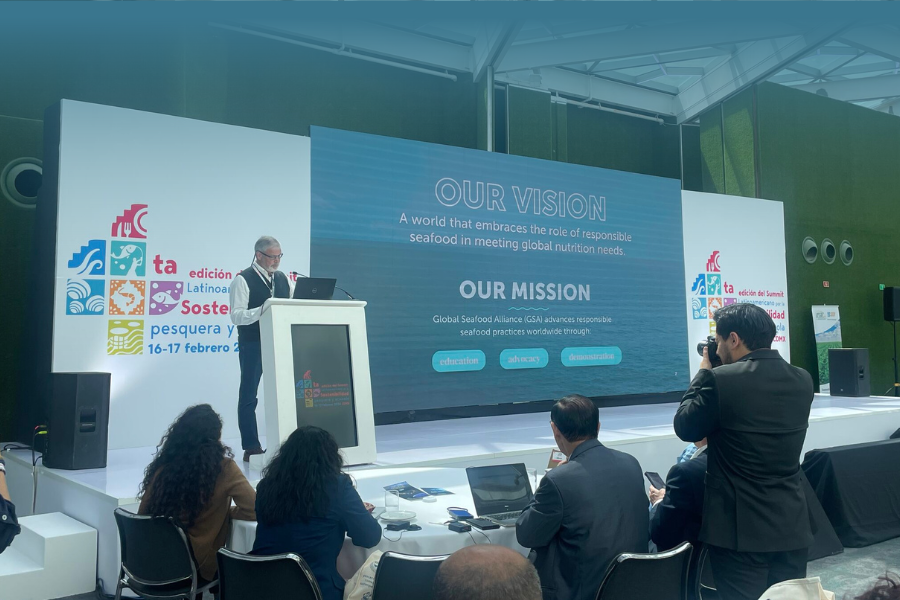
Bill Hoenig and Elise Avallon of GSA participated in the 2024 Latin American Sustainable Seafood Summit in Mexico City, engaging with industry leaders, policymakers, and environmental experts to discuss the region's key challenges and opportunities in responsible seafood. The event fostered collaboration on traceability, responsible sourcing, and advancing responsible practices across seafood supply chains.

North Atlantic Seafood Forum

North Atlantic Seafood Forum

Bergen, Norway

Jamie Wright attended the North Atlantic Seafood Forum (NASF) in Bergen, Norway, this year. At NASF, Jamie engaged with global seafood industry leaders, discussing key trends in sustainability, innovation, and market opportunities. His participation underscored GSA's commitment to staying at the forefront of industry advancements and fostering strategic collaborations to drive the future of responsible seafood production and trade.

Regional Ocean Summit

Regional Ocean Summit

Sweimeh, Jordan
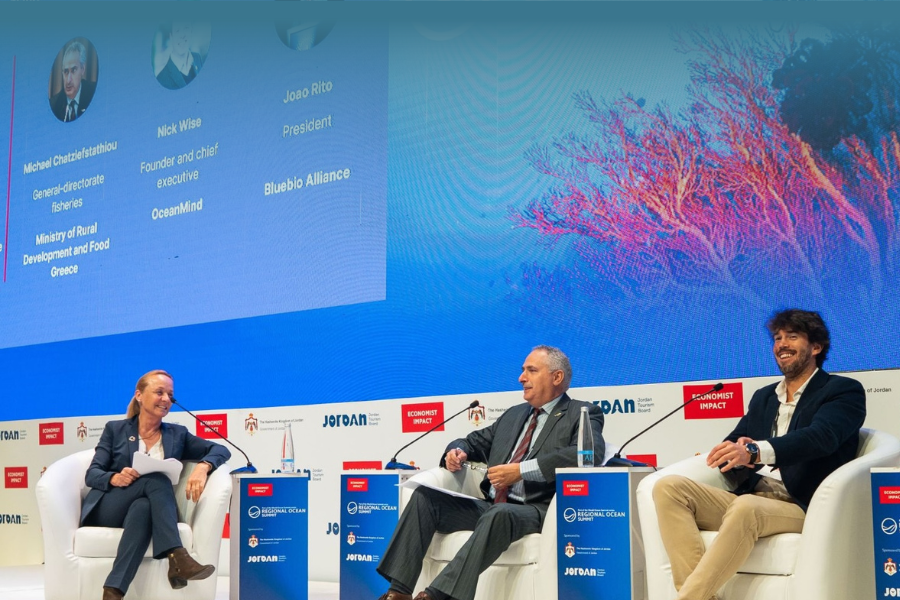
Melanie Siggs participated in the Regional Ocean Summit, where she engaged with key stakeholders on marine conservation and sustainable development. The summit focused on addressing critical ocean challenges in the region, with discussions on policy, climate resilience, and sustainable fisheries. Melanie contributed her expertise in fostering collaborative solutions to support healthier oceans and sustainable livelihoods, emphasizing the importance of global and regional partnerships for ocean stewardship.
NFI Shrimp and Salmon School

NFI Shrimp and Salmon School

Seattle, WA
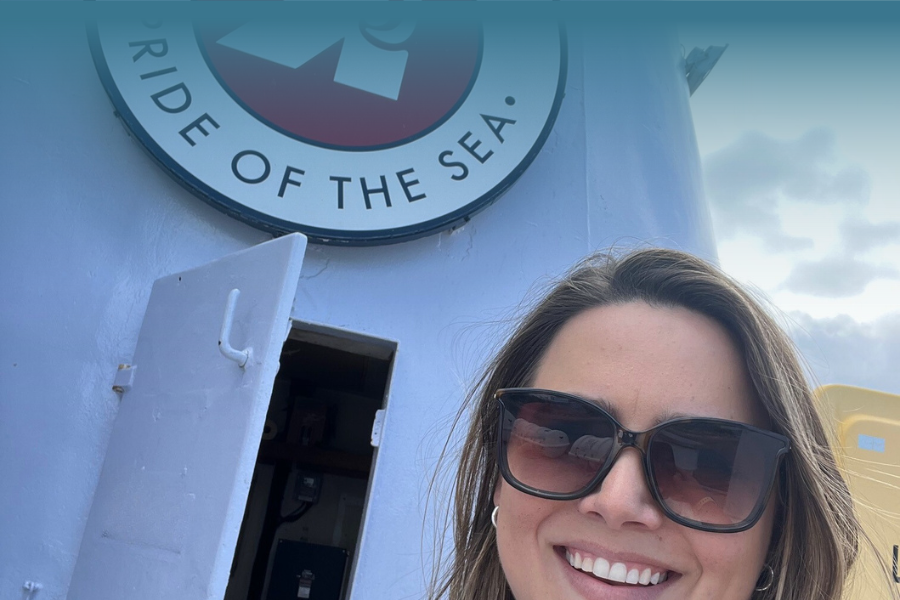
Rebeca Coronella participated in the 2024 NFI Shrimp and Salmon School in Seattle, Washington. The three-day event hosted presentations, product demonstrations and field trips to discuss and understand the top two most consumed seafood species. Her participation gave her insight to shrimp and salmon markets around the world and an opportunity to engage with fellow seafood professionals.
sockeye3_Okayama University of Science_600

China Fisheries & SeafoodExpo

Qingdao, China
Iris Wang attended the Regional China Fisheries & Seafood Expo, where she engaged with industry leaders and explored innovations in seafood production, processing, and sustainability. The event provided valuable insights into emerging trends and market dynamics within the Chinese seafood industry. Iris participated in discussions on improving supply chain efficiency and expanding global trade opportunities.
ExpoMar

ExpoMar

Santa Catarina, Brazil
Carlos Ramirez represented GSA at ExpoMar, an event which provided a platform to understand firsthand how aquaculture and wild-caught fisheries are growing in Brazil, and how these activities are focusing on human welfare in local communities. Artisanal and commercial fisheries are important activity in Santa Catarina, Brazil; and both are involved with processing plants working to produce the best final products to the market.
Hope in the Water Premiere

Hope in the Water Premiere

Portland, Maine, USA
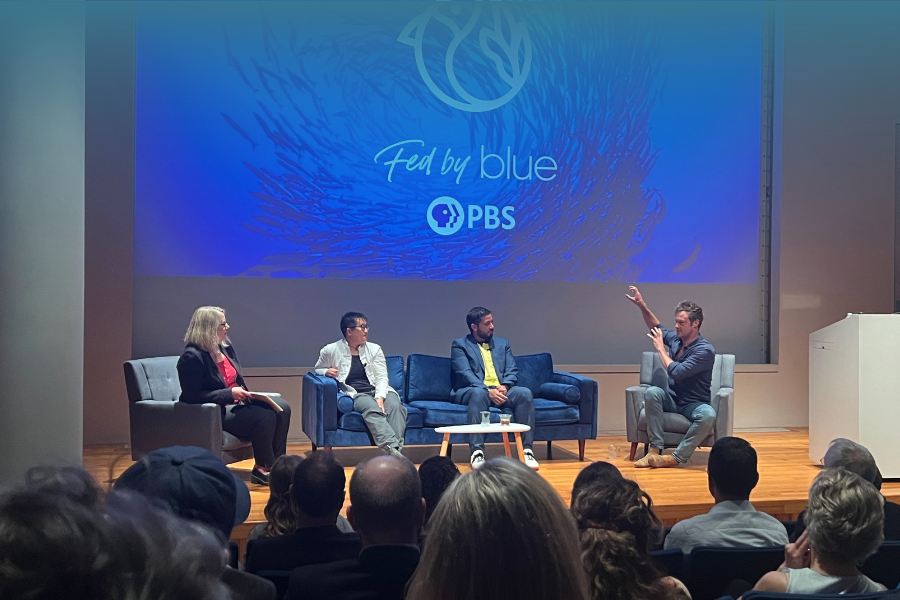
Jamie Wright attended a premiere event at the Portland Museum of Art for the PBS documentary “Hope in the Water". Executive Producer Jennifer Bushman introduced excerpts of the three-part series, which was followed by an interesting panel.

Advocacy

Advocacy

Advocacy

GSA-Logo_transparent-768x432-1

Membership & Advocacy

Our members: the backbone of our mission
Organizations, producers, individuals and students that align themselves with GSA are advancing responsible seafood practices around the world

35+

corporate members

8500+

total membership
program

82%

member renewal rate

Like what you see in our Annual Report?

Show your support for responsible seafood practices. Join our network of thousands of producers, businesses, nonprofits, students and consumers by becoming a member today.

Evolving Human Rights Assurances in International Seafood Supply Chains

At GSA, we strive to advance responsible seafood practices, including decent work in the industry. The primary tools that we use are our third-party certification programs, with standards covering both aquaculture and wild capture supply chains (hatchery, feed mill, farm, processing plant and fishing vessel). Each of our standards has a social responsibility pillar that covers labor criteria and each year, an auditor visits certified producers to ensure that they are complying with the requirements in the standard.  

The annual audit process, when nonconformities are identified and corrective actions are taken, results in safer workplaces and improved respect for labor rights. We continue to strengthen our standards as well as requirements for audits to improve their rigor and minimize blind spots. However, we recognize that more can be done to bolster the assurances that GSA offers beyond audits. 

To understand more about these issues, a series of meetings was launched in the fall of 2024. GSA, in partnership with the Consumer Goods Forum (CGF), hosted a human rights workshop in Paris, bringing together NGOs, audit firms, producers and retailers to better understand where and why social audits fall short and how we can effectively close these gaps. This was

followed by a meeting in Scotland, at last year’s Responsible Seafood Summit, and by a series of virtual meetings this year. 


One critical insight has stood out throughout these discussions: When workers are represented by an independent trade union, it helps us understand what is happening at a production site and address issues that arise. According to the International Labor Organization (ILO), this is the enabling right. Workers are at the site day in and day out, and when a union is present, those workers have a formal and organized means of raising concerns and a mechanism for addressing them. In the seafood industry, unionization rates are low, so unless that changes, an alternative method to capture workers’ experiences at scale is needed. Through the series of meetings, stakeholders landed on two work streams, outlined below.

Pre-competitive human rights working group  

The first work stream is focused on developing a mechanism to allow retailers and foodservice companies from around the world to come together to share lessons learned, and to collaborate, safely and where appropriate, on collective issues and cases. This collaborative approach provides companies with an opportunity to avoid duplication and can be a powerful force for driving meaningful change.

Collecting and analyzing additional data sources 

The second work stream revolves around collecting and analyzing additional data sources to provide a richer picture of working conditions at a production site, allowing stakeholders to identify trends, target interventions and drive systemic change.  

Social KPIs developed through multi-stakeholder consultation will be collected directly from producers. This data will help provide insight into how business practices affect workers and can offer a more comprehensive way to track improvements in working conditions over time.   

Anonymous surveys will be deployed to allow workers to safely share honest feedback about their experiences. Triangulating the data from these additional sources will address the underlying issues and drive improvement. 


Group 308    Group 311

Group 310

Consumer-Facing Marketing

In 2024, GSA continued to build on the momentum from the consumer-facing campaigns conducted in 2022 and 2023 by focusing on digital marketing, especially influencer partnerships, to continue to drive brand awareness for the Best Aquaculture Practices (BAP) program and sales of seafood products from BAP-certified producers.

In previous years, marketing tactics were focused around October for National Seafood Month, but in 2024, these efforts were spread out throughout the year to help increase reach and align with other promotional periods. Tactics included promotion of new recipes on BAP’s consumer site, targeted influencer posts on social media, and national consumer media outreach.

5

Influencer posts, published throughout the year

700K+

Influencer post engagements

9M

Impressions of influencer posts

Media Coverage

In 2024, the following media outlets reported on GSA and its affiliated brands:
EatingWell
Fish Site
FoodTank
Forbes-Logo-PNG-File
IntraFish
Progressive Grocer
Seafood Source
Seattle Times
Southern_Living
The Takeout
Tasting Table
Undercurrent News
Yahoo! News
The_New_York_Times_logo

Get Cooking With BAP Recipes

BAP has a variety of nutritious and tasty recipes available that make cooking responsibly sourced seafood easy! Get cooking with these quick, delicious recipes.

Education

rsa-email-logo
Aquademia_Full2023 (1)
rss-logo-full-color

Education

Education

Education

Our educational offerings: supporting the seafood industry
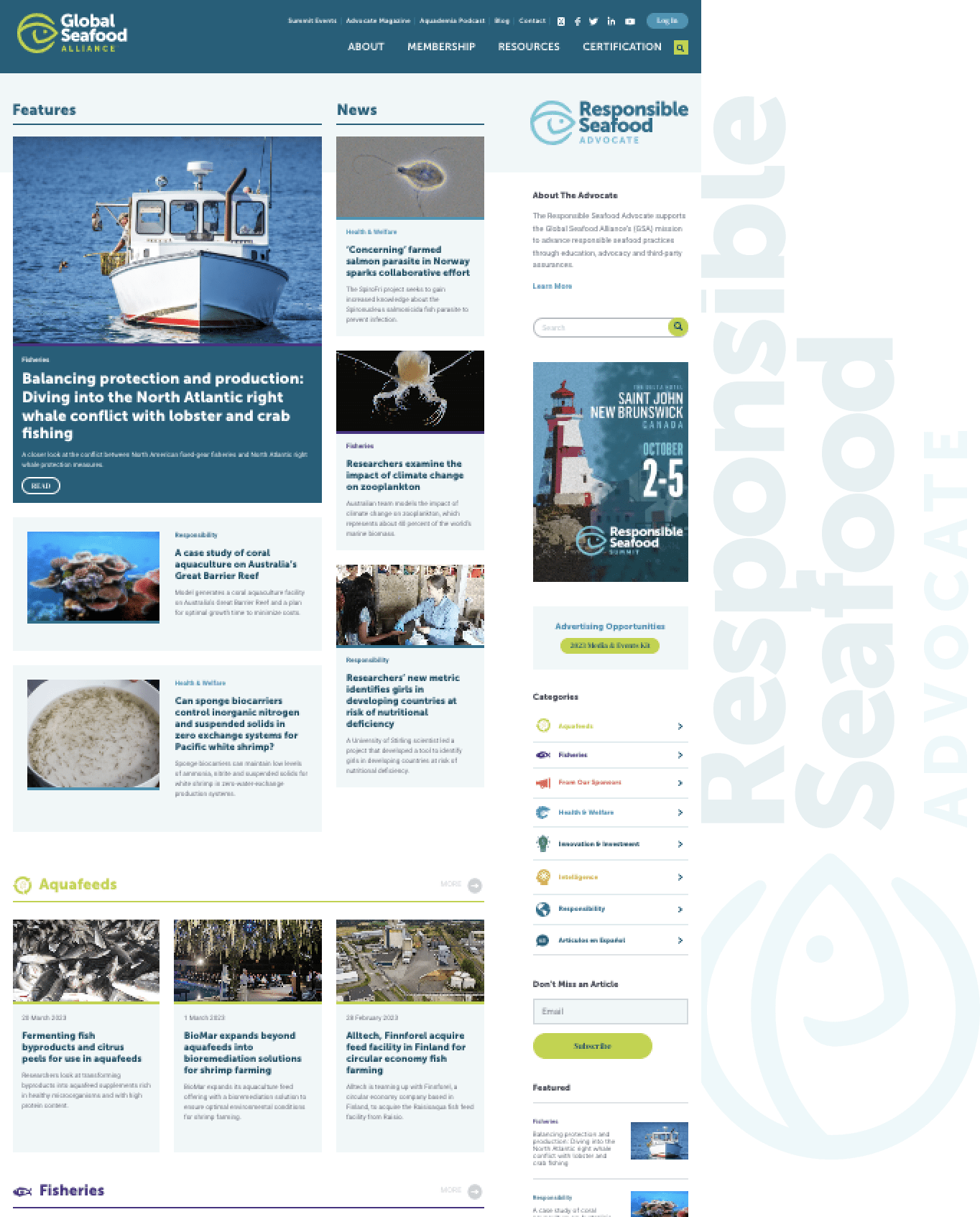
One of the pillars of our work in the seafood space is education. GSA has three educational products spanning three different media types to ensure that our audience receives information in the way that they learn best (online articles, in-person events, and audio podcasts).

The Advocate Magazine

Founded as the Global Aquaculture Advocate, a print publication, in 1997, our online magazine went fully online in 2015 and – since GSA’s rebrand in 2021 – has been the publishing as the Responsible Seafood Advocate, covering both aquaculture and fisheries with feature journalism, news and technical papers from around the world. The biweekly email newsletters are sent to more than 20,000 subscribers and the monthly Editor’s Note column consistently gets open rates exceeding 33 percent. Subscribe to the Advocate today! 

1M

pageviews in 2024
for the 5th consecutive year

20k+

subscribers

Looking for visibility among qualified seafood professional leads?

Advertise on the Advocate, our online magazine covering a dynamic and evolving industry with objectivity and integrity. The Advocate appeals to industry professionals, academics, marketplace representatives, and more.

Responsible Seafood Summit

Since 2001, GSA’s annual Responsible Seafood Summit has provided a pre-competitive space for delegates from all industry segments to put aside day-to-day business to discuss shared responsibilities and goals. The challenges facing seafood require collaboration — no one organization can solve a problem on its own. That’s where the Summit comes in, as a meeting place for industry segments that don’t normally collaborate to move the dial on the challenges facing seafood.

Summit 2024
Encouraging collaboration, facilitating dialogue

Same Mission, Expanded Offerings

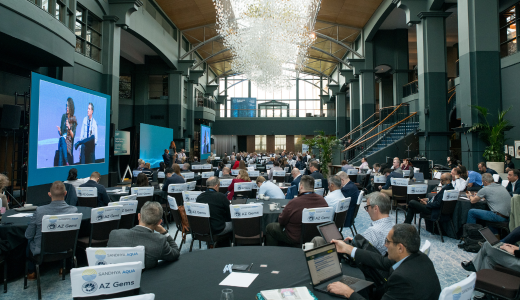
Co-hosted by Seafood Scotland, the 23rd edition of the Responsible Seafood Summit is in the books! The event was a success, with over 340 delegates from around the world descending upon beautiful St Andrews, Scotland, to discuss the foremost issues shaping the future of seafood.
retailer marketplace summit 2024-1
Curated content

Staying Ahead of the Curve

Held at the Fairmont St Andrews in October 2024, the event featured over 80 speakers addressing subjects ranging from our signature production data analysis and forecast, to automation and regulation in seafood production. The event featured field trips to seafood facilities and tourist destinations, innovation awards, and unforgettable networking opportunities.

23

years

19

cities

4190

unique attendees

Do you want to showcase your organization's commitment to leading the seafood industry to a more responsible future?

Sponsor our conference and get exposure to the industry’s leaders firsthand.

Aquademia Podcast

In 2024, the Aquademia Podcast continued to engage and grow its dedicated audience, releasing 12 episodes totaling 445 minutes of high-quality audio content. Over the year, we featured 14 diverse guests, bringing insights from across the seafood industry and spotlighting innovative solutions in both fisheries and aquaculture. Each episode delivered more focused and impactful content, achieving higher listener engagement per episode than the previous year. Aquademia remains recognized as a leading voice in seafood sustainability and will continue reaching global audiences as we expand our content and influence into 2025.

145%

increase in downloads per episode year-over-year

12

new episodes

440+

more than 440 minutes of audio content

14

influential guests

Demonstration

Demonstration

Demonstration

BAP-logo-782x278
BSP-logo-782x278

Certification in 2024

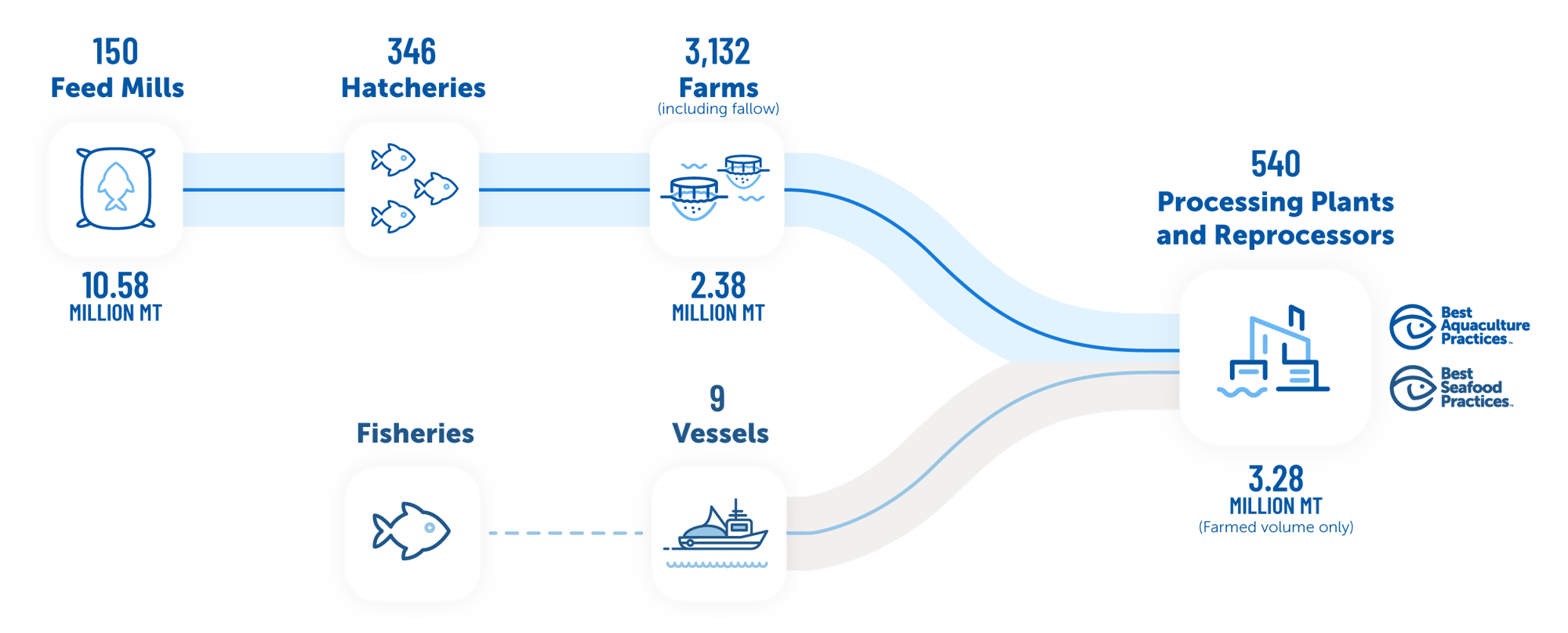
GSA’s third-party certification programs grew 5 percent in 2024, ending the year with 4,168 certified processing plants, farms, hatcheries and feed mills in 45 countries. The retention rate for the Best Aquaculture Practices (BAP) program was 88%, demonstrating producers’ commitment to the full spectrum of responsibility, including environmental and social responsibility, food safety and animal welfare.

Certified producers

across the supply chain

gsa-bap-2024-supply-chain-graphic-003
yoy-producers-rententino-growth-001 (1)

Global impact

in 2024 by metric tonnage

BAP-certified production is global. This heat map highlights the metric tonnage of certified product at the plant level by country, demonstrating the program’s reach and impact across markets. This map only showcases countries with metric tonnage greater than 100,000.
metric-tonnage-map-001 (1)

Non-conformities addressed

in 2024 by pillar

A core tenet of our certification programs is continuous improvement. To support this, when an audit takes place and the results include non-conformities to our standards, we require all non-conformities to be resolved and fixed to receive certification. Remediation is a central part of our program and is critical to supporting best practices across the industry.
outline_icon_white_food_safety

Food Safety

2602

outline_icon_white_social_responsibility

Social Accountability

2566

outline_icon_white_environment

Environmental

2229

outline_icon_white_animal_welfare

Animal Welfare

495

Traceability

320

EMPLOYMENT

352,000

people employed at BAP-certified facilities

employment-graphic
production-graphic

PRODUCTION

65

BAP-certified species

Global production by species

Percentage of global BAP-certified production by species

Atlantic Salmon

Salmo Salar

salmon-icon

29%

Vannamei

vannamei-icon

23%

Tilapia

tilapia-icon

20%

Pangasius

pangasius-icon

9%

Production data source: UN FAO

Metric tonnage

BAP-certified farm and plant volume by species

metric-tonnage-by-species-2024 (2)-1

Impacts of Certification

Third-party certification ensures credibility and trust, providing independent verification that products meet rigorous standards. It builds consumer confidence, enhances brand reputation, and promotes transparency and accountability across the supply chain.

BAP4StarFrench

GSA Board of Directors

  • Michael Berto, Walmart
  • Eric Bloom, Eastern Fish Co., Inc
  • Joe Chekouras, Mazzetta Company
  • George Chamberlain, The Center for Responsible Seafood
  • Julie Decker, Alaska Fisheries Development Foundation
  • Hon. Rick Doucet, AGW Consulting LTD
  • Tony Downs, Sysco Corp.
  • Laura Garrido, Pescanova USA
  • Citlali Gómez-Lepe, COMEPESCA
  • Bill Herzig, Sustainable Strategies & Initiatives
  • Robert Jones, The Nature Conservancy
  • Allen Kimball, Allen K Kimball Consulting LLC
  • Mike Kocsis, Global Seafood Alliance
  • Moritz Konz, ALDI South Group
  • Hannah Koski, US Foods
  • Santhana Krishnan, Maritech
  • Hannah Lindoff, Alaska Seafood Marketing Institute
  • Arni Mathiesen, Government of Iceland
  • Robins McIntosh, Charoen Pokphand Foods Public Co., Ltd
  • Craig Morris, Genuine Alaska Pollock Producers
  • Gorjan Nikolik, Rabobank
  • Ron Patton, Grobest Global Service Inc.
  • Terry Stachowiak, Rich Products
  • Wally Stevens, Global Seafood Alliance
  • Michael Szemerda, Cooke Inc.
  • Trin Tapanya, Thai Union

Standards Oversight Committee

  • Birgitte Krogh-Poulsen, Independent Social Development Consultant
  • Braddock Spear, Sustainable Fisheries Partnership
  • David Dietz, Global Seafood Alliance
  • Duncan Leadbitter, Fish Matter
  • Dr. Hiroe Ishihara, University of Tokyo
  • Ken Corpron, Global Seafood Alliance
  • Lukas Manomaitis, U.S. Soybean Export Council
  • Mariska Bottema, Worldfish
  • Mia Parker, Mowi
  • Mike Park, Scottish Whitefish Producers Association
  • Patrick Blow, Marks and Spencer
  • Dr. Simon Bush, Wageningen University
  • Toby Middleton, Marine Stewardship Council
  • Tyler Isaac, Monterey Bay Aquarium